Alexander Trif

Data Scientist at Metegrity Inc.
Machine Learning Pipelines & Production Analytics
Email
Resume
LinkedIn
COVID-19 Outcome Prediction Using Machine Learning
Overview
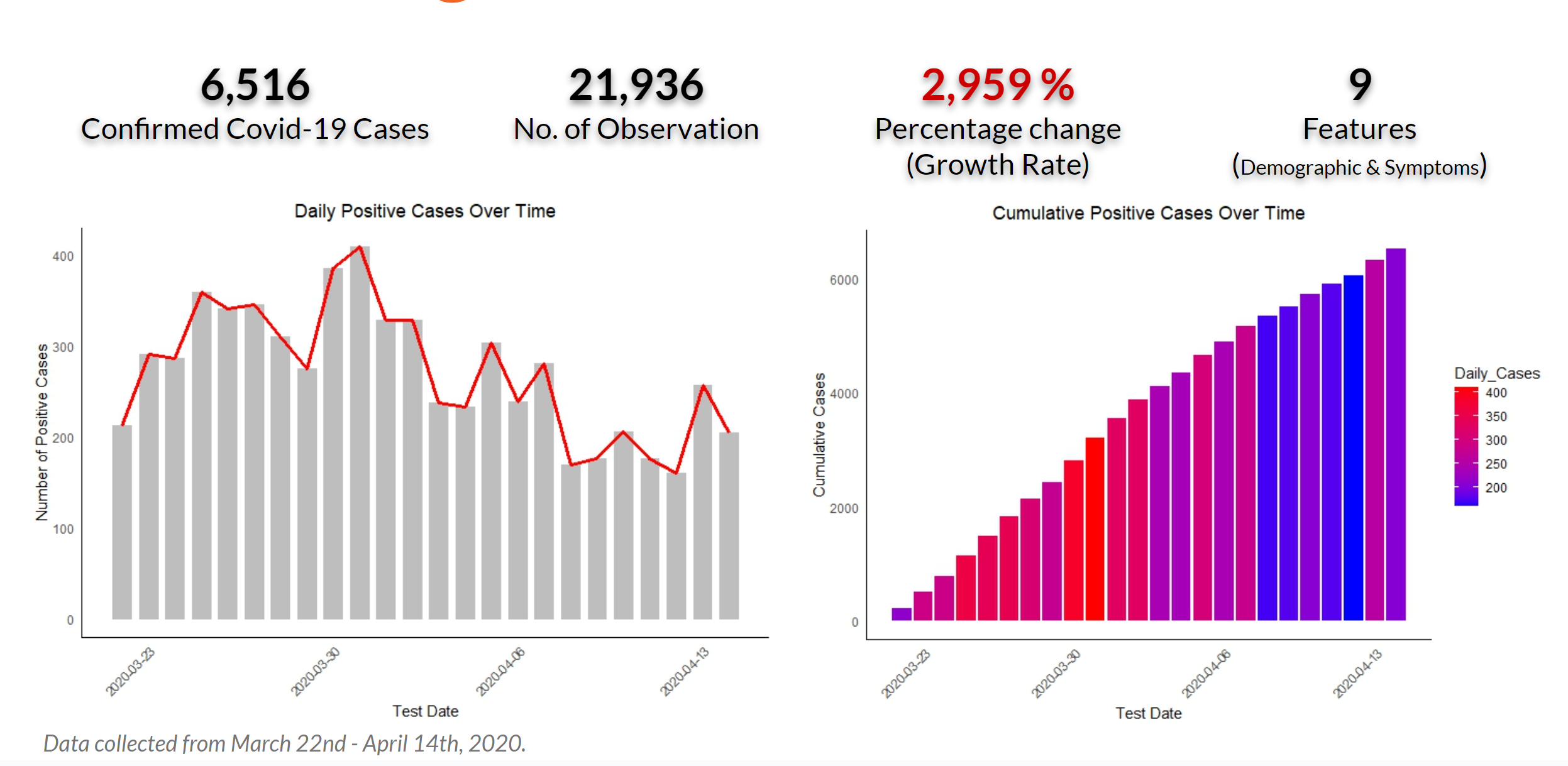
The COVID-19 Outcome Prediction project is an ambitious endeavor that leverages advanced machine learning techniques to forecast the progression and outcomes of COVID-19 infections. Utilizing a rich dataset that includes symptoms, demographic data, and patient histories, this initiative aims to unveil patterns and predictors that could revolutionize how healthcare systems respond to the pandemic. Through meticulous data analysis and the application of various predictive models, the project seeks to enhance patient care by enabling early detection and personalized treatment plans.
Objectives
- Model Development and Validation: Construct a suite of machine learning models to predict COVID-19 outcomes accurately, employing rigorous validation techniques to ensure reliability and robustness.
- Comparative Analysis: Systematically compare the performance of diverse algorithms—ranging from traditional models like Logistic Regression and Decision Trees to more complex approaches like XGBoost and SVMs—to determine the most effective method for predicting patient outcomes.
- Insightful Feature Analysis: Conduct an in-depth feature importance analysis to identify which factors are most predictive of COVID-19 outcomes, providing critical insights into the disease’s dynamics and informing public health strategies.
Approach
This project initiated with an exhaustive exploratory data analysis to grasp the dataset’s nuances and the interplay between various factors. After cleaning and preprocessing the data to address missing values and normalize the dataset, we embarked on training multiple machine learning models. Each model was evaluated based on its sensitivity (true positive rate), specificity (true negative rate), and overall accuracy. Special attention was given to model tuning and the interpretation of feature importance scores to refine our predictions and extract meaningful insights from the data.
Technologies and Tools
- Data Preparation and Exploration: Utilized R for initial data analysis, leveraging packages such as dplyr for data manipulation and ggplot2 for visualization.
- Machine Learning Implementation: Applied a variety of algorithms using both R and Python, with Scikit-learn providing a comprehensive toolkit for model training, evaluation, and comparison.
- Feature Importance and Model Tuning: Employed advanced techniques to analyze feature significance and optimize model parameters, ensuring the highest predictive performance.
Impact
The insights gained from this project have the potential to significantly impact patient outcomes by facilitating early identification of high-risk cases and guiding targeted treatment strategies. Moreover, the detailed feature analysis contributes to our understanding of COVID-19, potentially influencing global health policies and preventive measures. This work underscores the power of data science in tackling some of the most urgent healthcare challenges.
Join the Journey
As we continue to refine our models and deepen our analysis, we invite collaboration from across the scientific community. Whether you’re a data scientist, epidemiologist, healthcare professional, or simply passionate about using technology to improve public health, your input can help advance our collective understanding of COVID-19 and shape the future of pandemic response.